Should You Choose Inset Cabinets for Your Home?
Inset cabinetry is having a bit of a moment right now — although to be fair, it never really stopped looking beautiful.
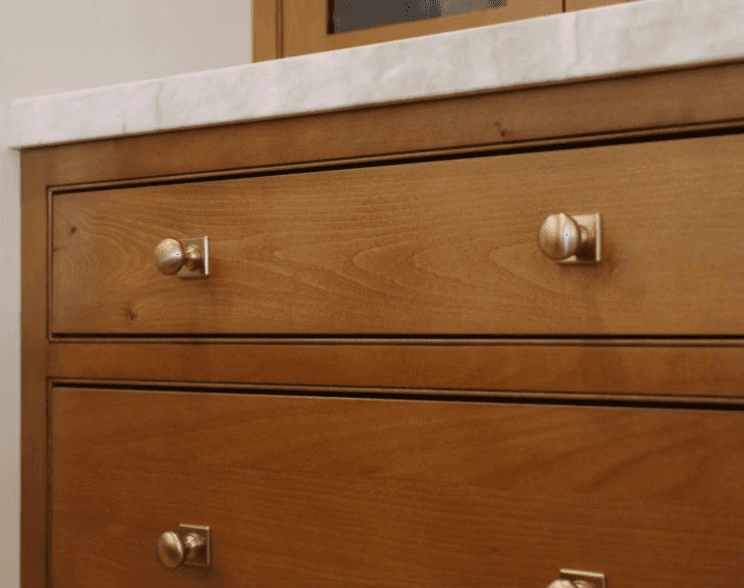
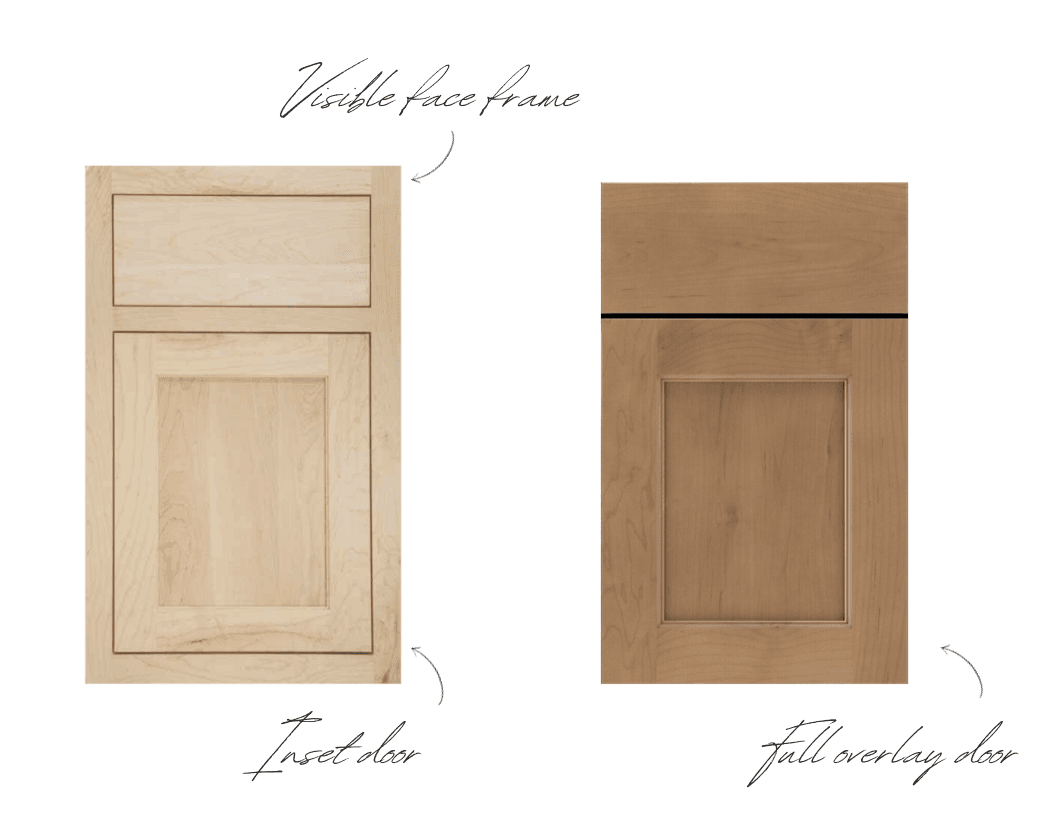
If you’re new to kitchen design terms, inset cabinets simply mean the doors and drawers sit inside the cabinet frame rather than laying over the top. It results in doors and drawers that sit flush with the face of the cabinet. It’s one of several cabinet construction styles, and I’ll dive deeper into all the cabinet nerd details in a future post because frankly… I could discuss cabinet styles for an exhausting amount of time.
But for now: why do people love inset so much?
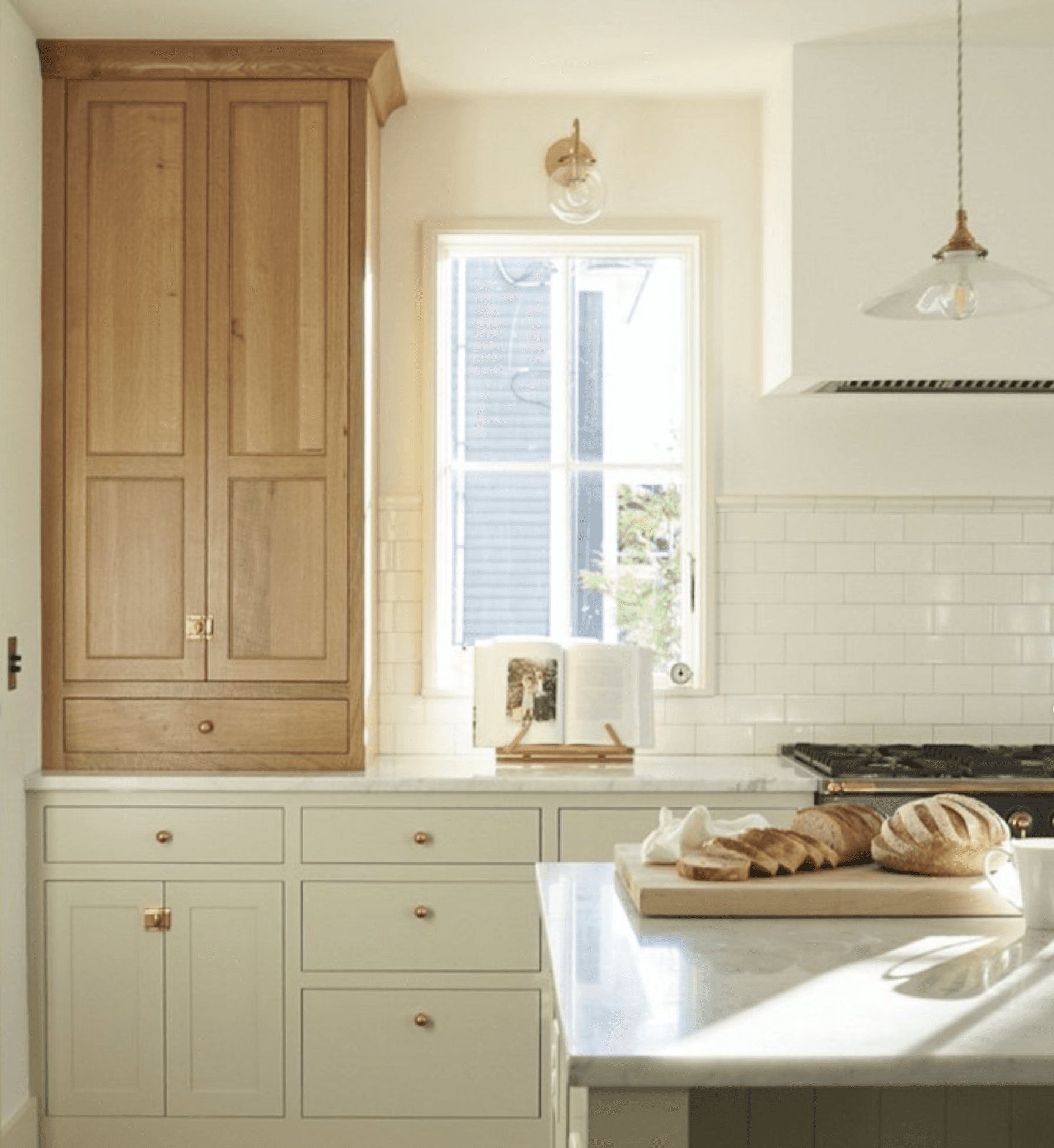
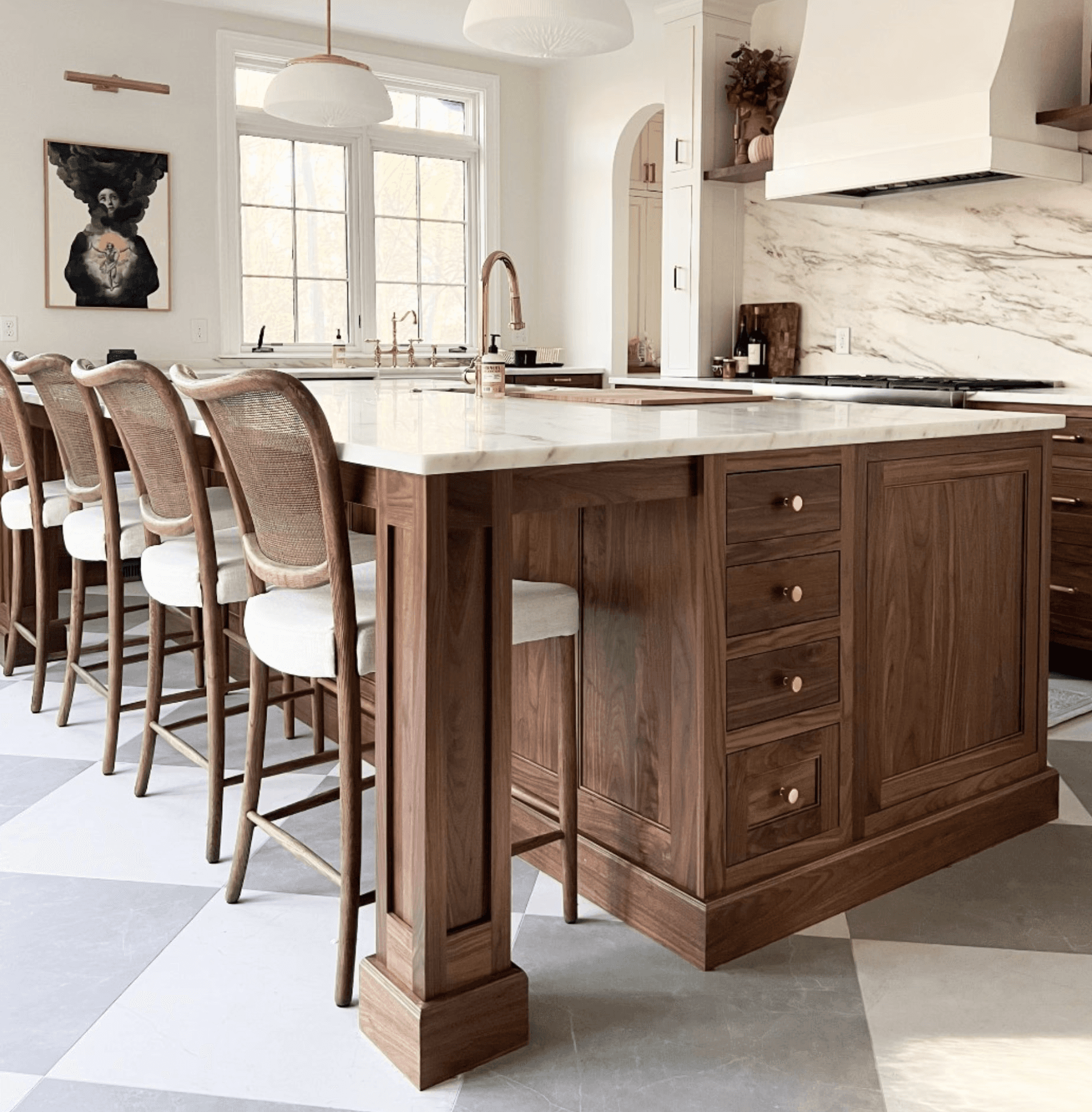
Well, inset cabinetry has a furniture-quality look that feels far more built into the home rather than simply installed. As Bob Bakes, head of design at Bakes & Kropp, puts it: “An inset kitchen has an aesthetically rich, luxurious look that honors the original craftsmanship of cabinetry.”
Long before mass production and cost-cutting gave us overlay doors, inset was the gold standard construction method used by furniture makers and cabinet artisans throughout 18th-century Europe. In many ways, today’s love of inset cabinetry is simply a return to the way beautiful cabinetry was originally made.
Beyond the historical roots, there is something deeply satisfying about the look of a well-executed inset kitchen. The minimalist shadow lines framing each door and drawer. Perfectly square, flush, and precise. Honestly, it activates the perfectionist in me and makes me daydream about a second life as an 18th-century cabinet maker, minus the smallpox.
Inset cabinets don’t scream for attention. They let the craftsmanship speak for itself while quietly elevating the look of your home.
That said — inset is absolutely not for everyone.
First, it’s typically around 30% more expensive than overlay because it requires far more precision in both manufacturing and installation. Where overlay doors can hide imperfections, poorly installed inset cabinetry will display every uneven reveal like the first haircut I gave my two-year-old. (Please don’t ask for photos.)
This is not a “good enough” situation.
And if storage is your top priority, it’s worth noting that inset cabinets are the least space-efficient of the three main cabinet styles. The cabinet frame and inset doors slightly reduce the available interior space. However, depending on the layout of your home, a well-planned pantry cabinet or appliance garage can often more than make up for the lost storage.
Also, if you are someone who becomes emotionally unwell over cabinet doors shifting slightly with seasonal humidity… overlay cabinetry may be the kinder path. Inset cabinetry requires a bit of seasonal fiddling.
But for the right home, inset is magic.
It feels timeless in a way trends rarely do. It aligns beautifully with custom, traditional, transitional, or minimalist styles.
Most of all, inset cabinetry brings a sense of permanence. A kitchen that feels collected, architectural, and deeply intentional.
Like it has always belonged there.
Which, in my opinion, is exactly what good design should do.